IN THIS SECTION
Living things in the Harbour
People & the Environment
Land, water and air
Maps
Habitats
RELATED LINKS
People and the environment
Impact of People

Farming the landscape
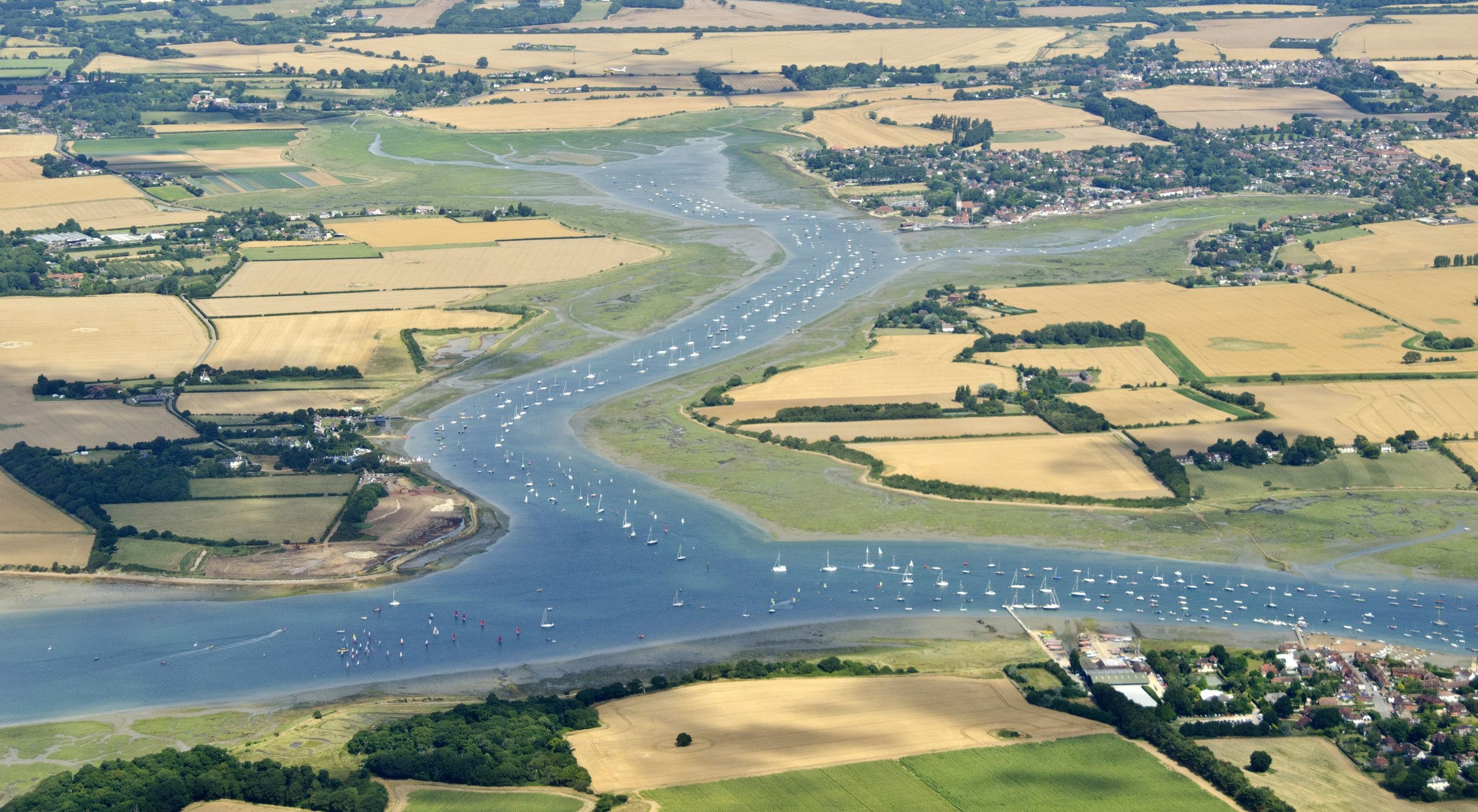
People have used Chichester Harbour for thousands of years. During that time the landscape has changed (see the landscape timeline) and many of those changes are due to humans cutting down trees, planting fields, building houses and roads.
As our country gets more crowded, there are fewer places for wildlife and fewer places where people can enjoy the countryside.
Chichester Harbour AONB is a special place for both wildlife and people and to keep it that way we need to understand the impacts of people on the environment and how they can be managed.
What do people do in the harbour?
Here are a few ideas – see how many more you can think of. Try our harbour users word search.
Farming
Walking
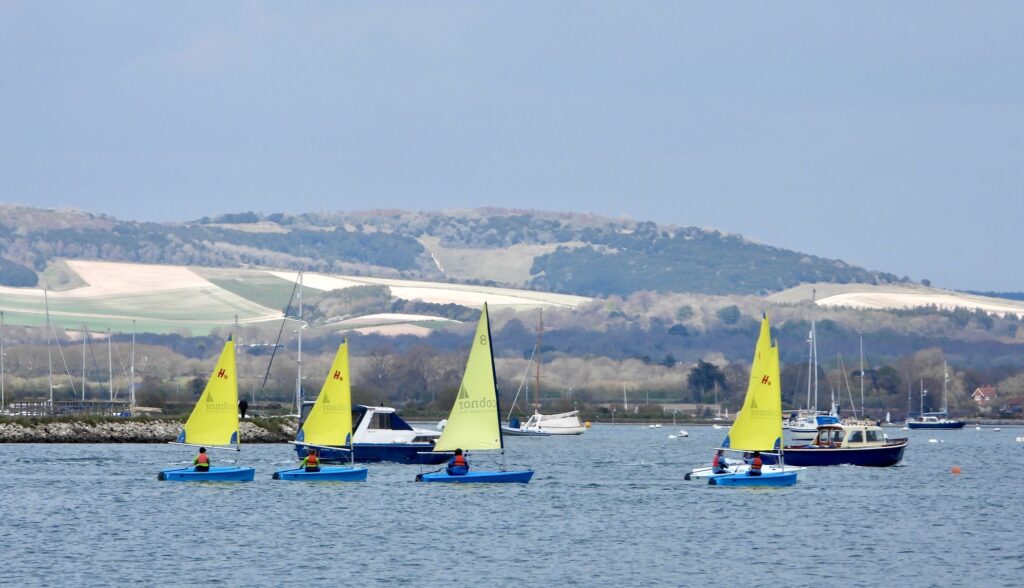
Sailing
Good or bad impacts on the harbour area?
| GOOD | BAD | |
| FARMING | Farmers look after the land and leave the edges of fields for wildlife. | Fertilizers and sprays (to kill insects or weeds) might cause pollution of the water or air. |
| WALKING | Walkers enjoy the harbour and don’t cause pollution with their cars | Walkers might erode the paths, disturb the wildlife and damage farmers’ crops or animals |
| SAILING | Sailing creates many jobs in the harbour. Boats that are sailing are not using engines and causing pollution. | Paint on the bottom of some boats (antifouling) may pollute the water. Powerboats going too fast are noisy, disturb the water and add to erosion of the shore |

School group at Dell Quay
All uses and activities have some impact on the harbour and often on other users. Anyone coming for peace and quiet may not enjoy the roar of a tractor, the banging in the boat yard or the chatter of a visiting school group.
Conflicts between users?
Farmers may not like people walking through their fields, walkers might not like the noise of boats on the water and sailors do not like polluted water.
What do we do?
- Stop anyone using the harbour? (would that be possible or sensible?)
- Choose which users are allowed in the harbour? (who would choose?)
- Let everyone do what they want? (would the wildlife survive?)
- Try and manage the impacts? (how? – see ‘looking after the environment’)

Sailing boat
Tourism
1.5 million people visit the Chichester Harbour AONB each year. Such an enormous number of people is bound to have an impact on the environment, yet it shows what an important place it is for people. The problem is that those very people could spoil the place they have come to see. One person can disturb birds over an area of 10 to 50ha. Birds are disturbed to varying degrees by walkers, bait diggers, dogs, windsurfers and low flying aircraft.
Can you write a list of impacts due to tourism (good and bad)?

Bait Digging sign
Some human impacts:
- Buildings
- Roads
- Traffic
- Farming
- Tourism
- Fishing
- Pollution
- Global warming
- Coastal defences
- Sailing
Pollution
Continual vigilance is necessary to prevent pollution of land, water and air in the Harbour. The Environment Agency in partnership with CHC and Southern Water works to identify and address any sources of pollution that might impact on the AONB.
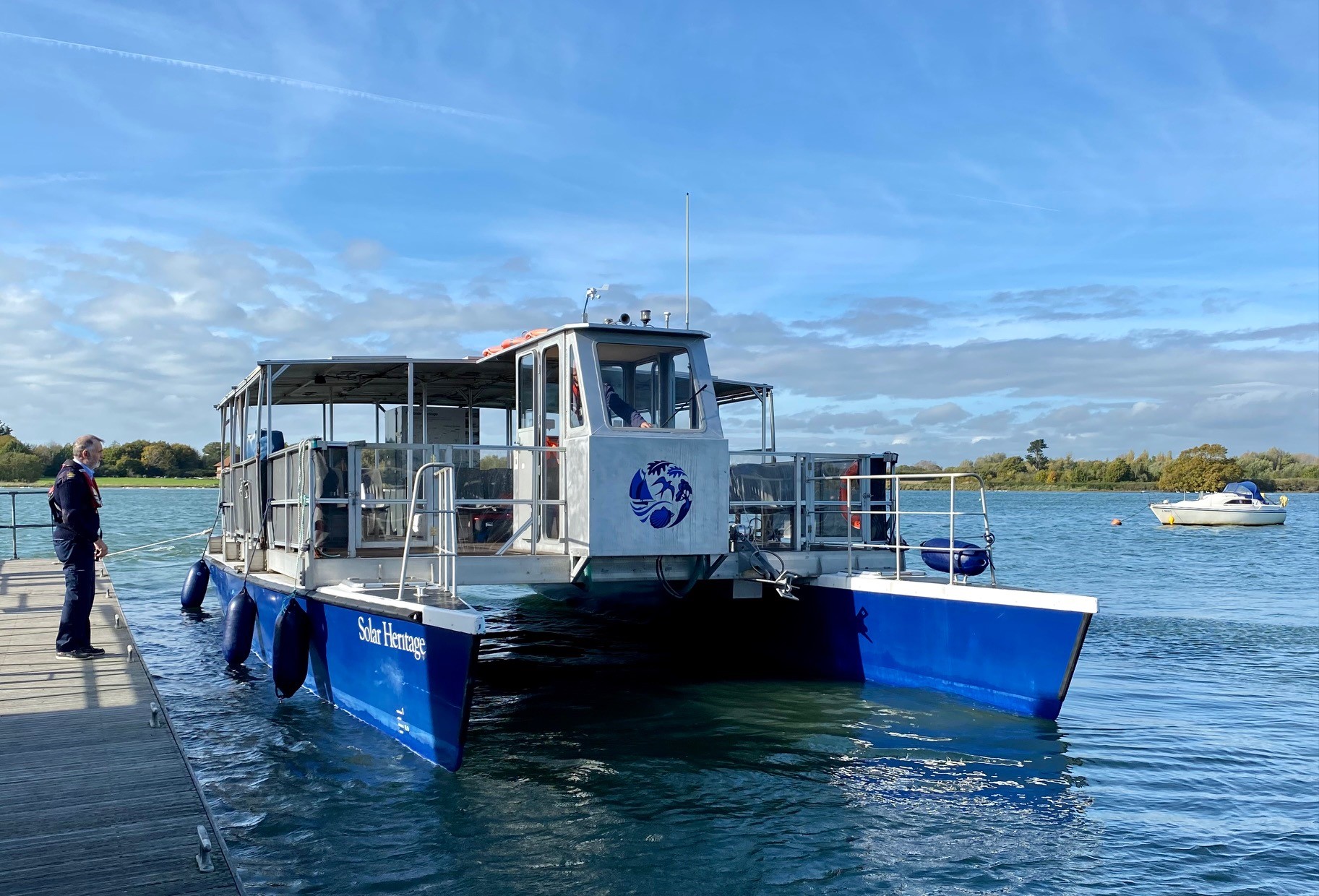
Sustainable transport (Solar boat, cycle paths) is being encouraged to reduce air pollution.

Oil spill exercise
There is a Chichester Harbour Oil Spill Contingency Plan for responding to oil spills on the water. The Conservancy have an Oil Pollution Management Plan for responding to Oil spills on the water and are improving facilities for the reception of waste oil. In October 2001 one of the most ambitious oil spill exercises undertaken by the Maritime and coastguard agency was conducted in the harbour, using floating booms to contain the oil and keep it away from sensitive areas.
Port Waste Management Plan – includes looking at the facilities provided by the 22 sailing clubs, marinas and boatyards for handling ship’s waste.
Pollution also results from discharges from ships and recreational craft. Again the Conservancy is providing facilities for dealing with waste from ships and providing pump out facilities for holding tanks for sewage.
Litter
With 1.5 million visitors, litter, such as sweet wrappers, cans, crisp wrappers and food, is an issue. Visitors are encouraged to take their litter home with them.

Debris on the shoreline
Harbour Watch Volunteers look after a section of the harbour, walk it every month, collect litter and report on the state of sea defences, footpaths and water quality.
Last year (2002/2003) 321 bags of rubbish were collected by 28 Harbour Watch Volunteers, from the coastal footpaths and foreshore around the Harbour.
Although the litter collection keeps the shoreline as clean as possible, the tide deposits debris twice a day making litter collection a never-ending job.