Nature Recovery in Chichester Harbour
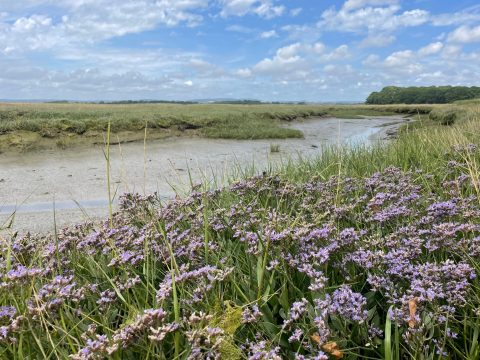
Working to restore Chichester Harbour’s coastal habitats to a favourable condition by 2050
Chichester Harbour is a special place for nature and wildlife. But it’s coastal habitats are under threat. Conservation and the protection and recovery of nature is a prime focus of Chichester Harbour Conservancy. Precious coastal habitats including saltmarsh, seagrass meadows, coastal bird colonies and native oyster reefs have declined drastically over the last century. We have a bold ambition to restore them to a favourable condition by 2050.
Focus areas
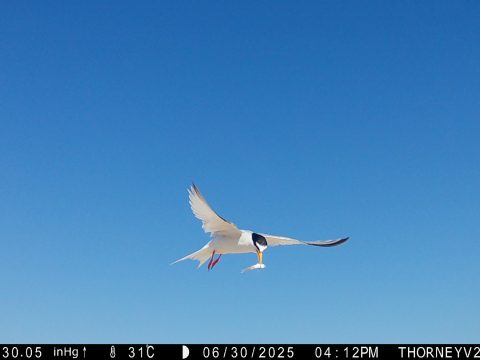
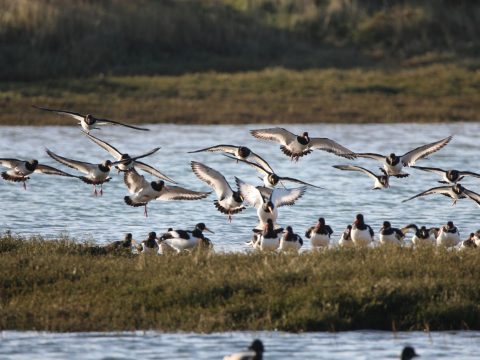
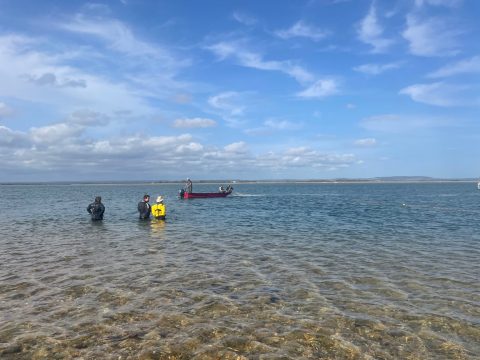
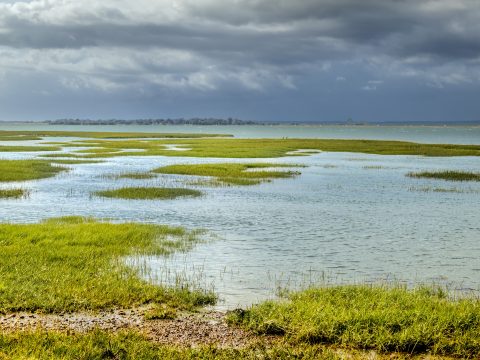
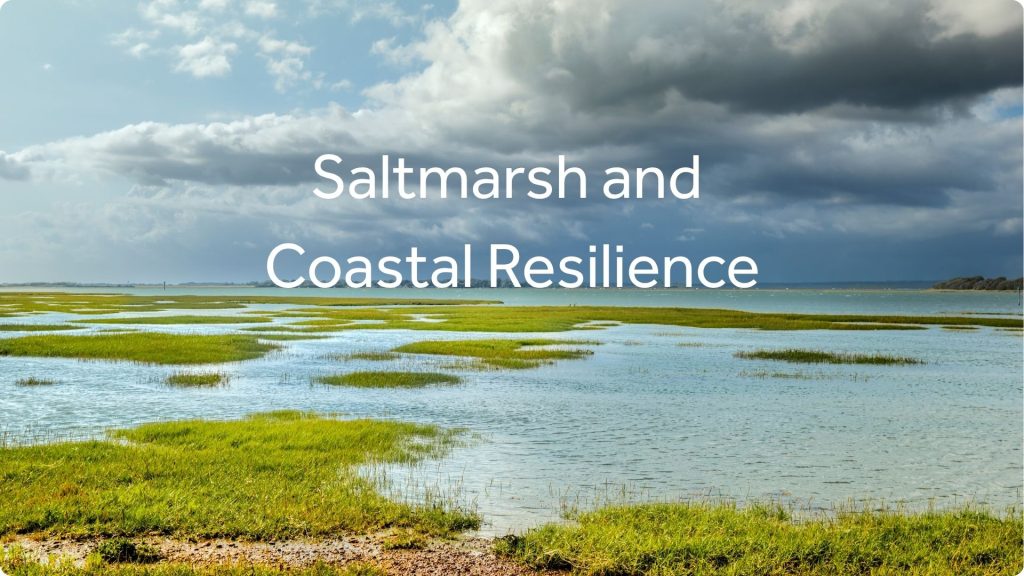
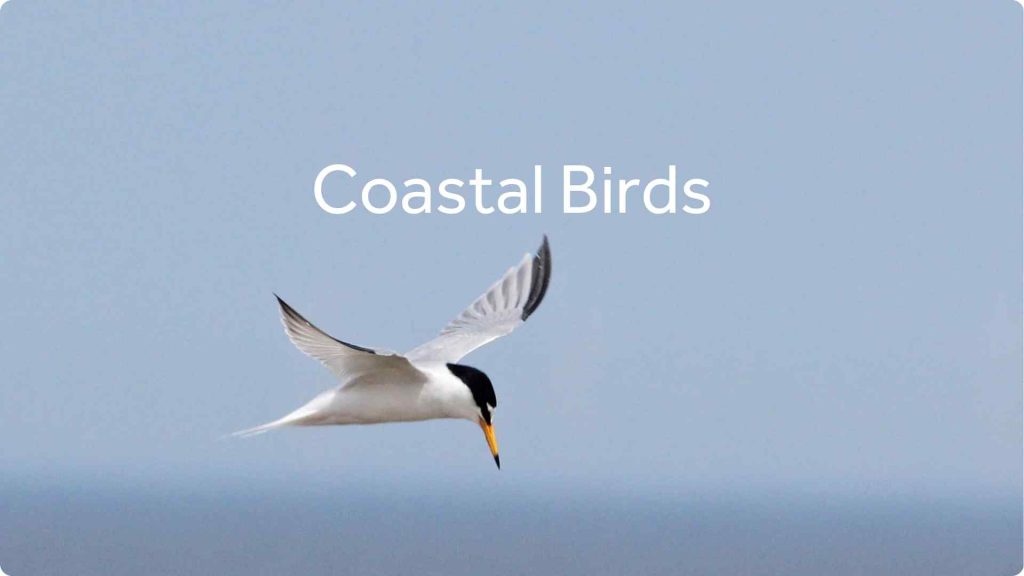
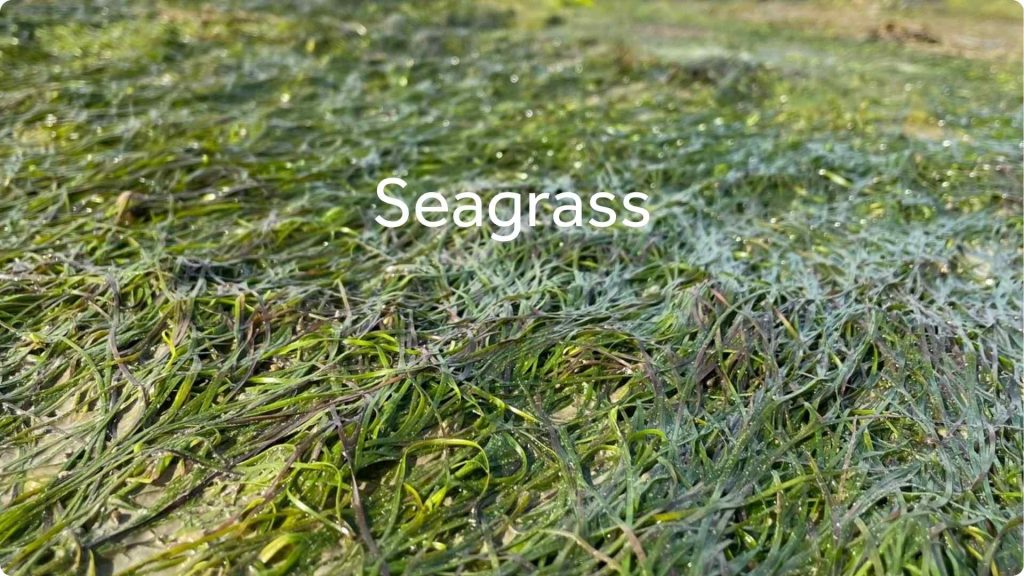
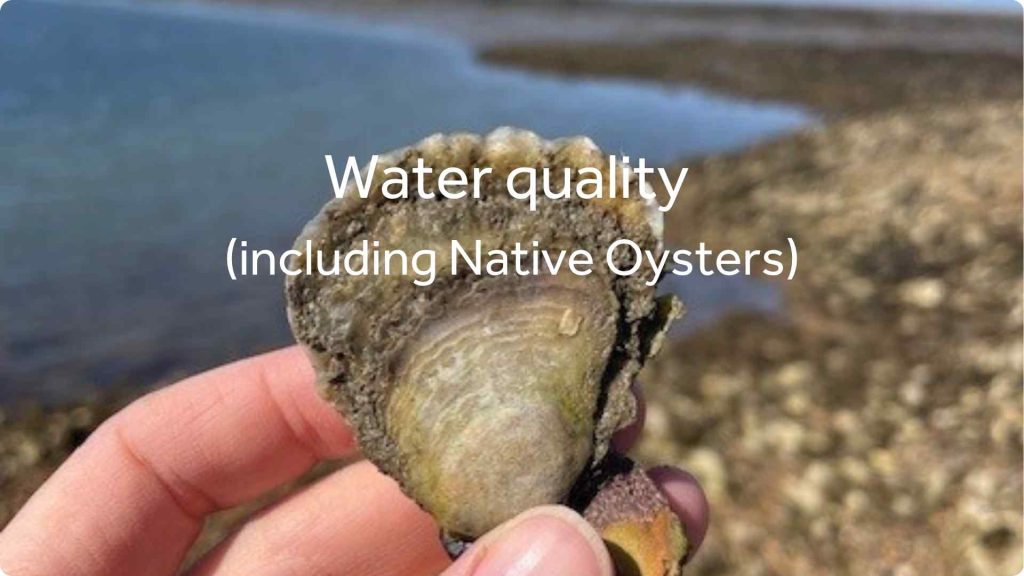
Our nature recovery work has four focus areas – saltmarsh, seagrass, coastal birds, water quality (including native oyster restoration). Click on the links above or the images below to find out more about each focus area.
Working in partnership – CHaPRoN
Restoring nature requires multiple agencies working together. In 2021, Chichester Harbour Conservancy formed a nature recovery partnership with other organisations. The Chichester Harbour Protection and Recovery of Nature (CHaPRoN) partnership includes the Environment Agency, Natural England, Sussex IFCA, Coastal Partners, the RSPB, Southern Water and the Three Harbours Partnership. Find out more about the CHaPRoN partnership including our approach to nature recovery by clicking the button below.
Background
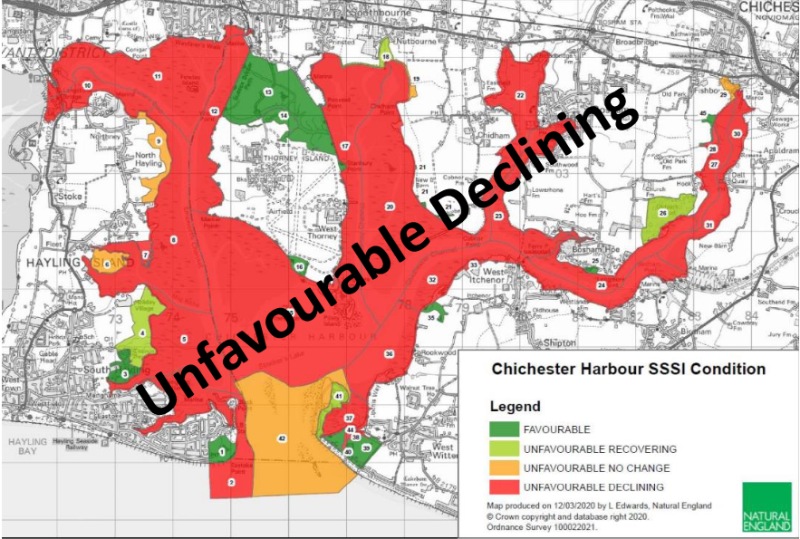
Nature across the UK is in crisis, with wildlife and habitats in decline. In February 2021 Natural England published a condition review into the Chichester Harbour Site of Special Scientific Interest (SSSI). It was found to be in an “unfavourable declining” condition. Headlines from the report included:
- Nearly 60% loss of saltmarsh since 1946. Saltmarsh continues to be lost at a rate of 2.54 hectares per year.
- A decline in wintering bird populations and summer breeding birds.
- A significant decline in native oysters.
Our overall goal is to restore the Chichester Harbour SSSI to favourable condition by 2050.
The Solent Seascape Project
Chichester Harbour Conservancy is proud to be one of ten partners in the Solent Seascape Project, a pioneering seascape-scale marine restoration project in the UK. Much of our nature recovery work is taking place as part of the project. Find out more about the work taking place across the Solent on the Solent Seascape Project website.