Snowhill Marsh on the West Wittering Estate is an important habitat for wintering and breeding coastal birds.
In partnership with the West Wittering Estate and Southern Water, Chichester Harbour Conservancy is involved in a project to improve the site.
This will create a significantly better and safer habitat for coastal birds to raise chicks and roost safely at high tides.
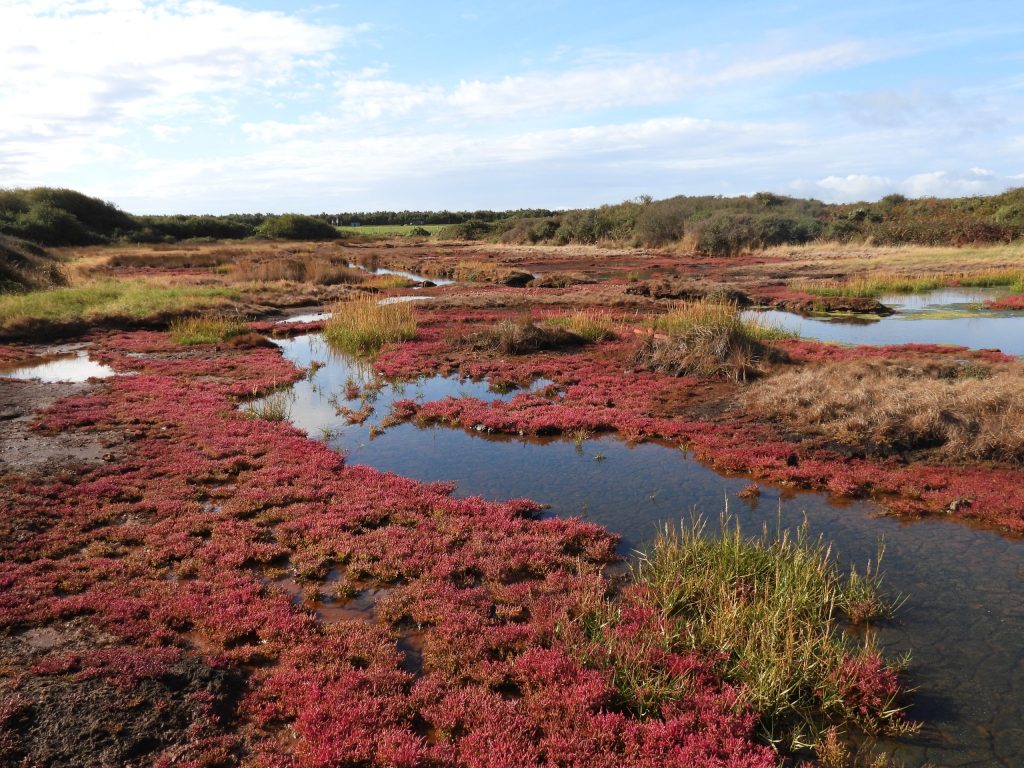
What is Snowhill Marsh?
Snowhill Marsh is made up of saline lagoons, saltmarshes, reed-fringed ditches, grassland and scrub, covering 10.5 hectares. Fringed on the west by the King Charles III England Coast Path, it’s a popular site for walkers and birdwatchers to enjoy the views and birds.
Why is a habitat improvement project needed?
Chichester Harbour is one if the most important sites for coastal birds in the UK. Tens of thousands of waders and wildfowl spending their winters here, and coastal birds including terns, waders and gulls attempt to breed here each summer.
However the harbour and the surrounding areas have a limited number of sites suitable for breeding waders, terns and gulls. Sea-level rise means the few spaces remaining often experience flooding from high tides and storm surges. High tide roosting sites for the thousands of waders and wildfowl are also limited. They are often disturbed by people and dogs.
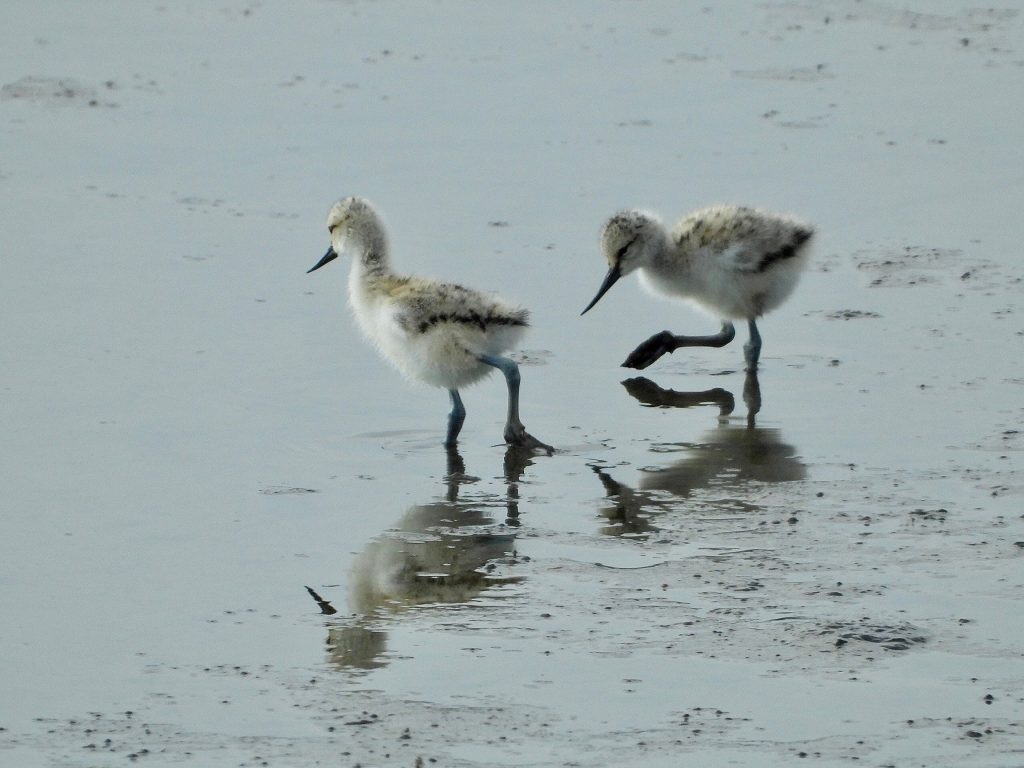
Every year birds including Oystercatchers, Ringed Plover and Avocets attempt to lay eggs and raise chicks at Snowhill Marsh. But they very often fail due to fox predation.
Photo: Avocet chicks at Snowhill Marsh
With improvement works, Snowhill Marsh has the potential to be a much-improved site for coastal birds. It could support breeding shorebirds, terns and gulls, as well as becoming a better and safer high tide roost.
The works
Detailed water level monitoring and protected species surveys have taken place, and this data informs the project work which will focus on:
- Improving/increasing area for nesting waders and terns.
- Maximising area and security for roosting waders.
- Retaining important shallow water saline lagoon habitat and feeding.
- Opportunities for waders, ducks, and geese.
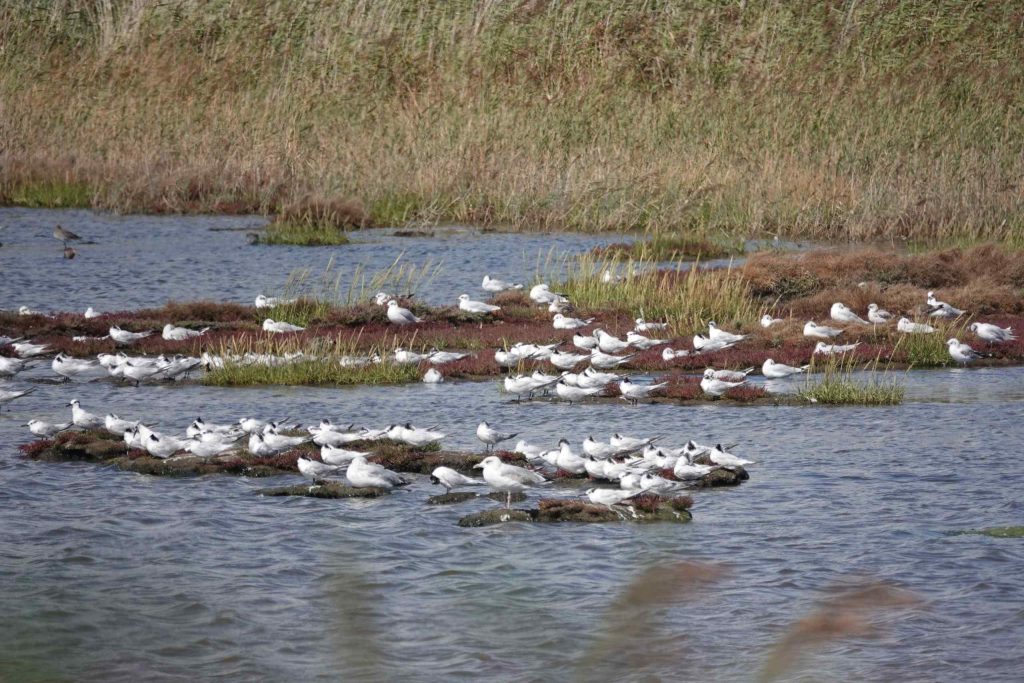
Photo: Sandwich Terns roosting at Snowhill Marsh.
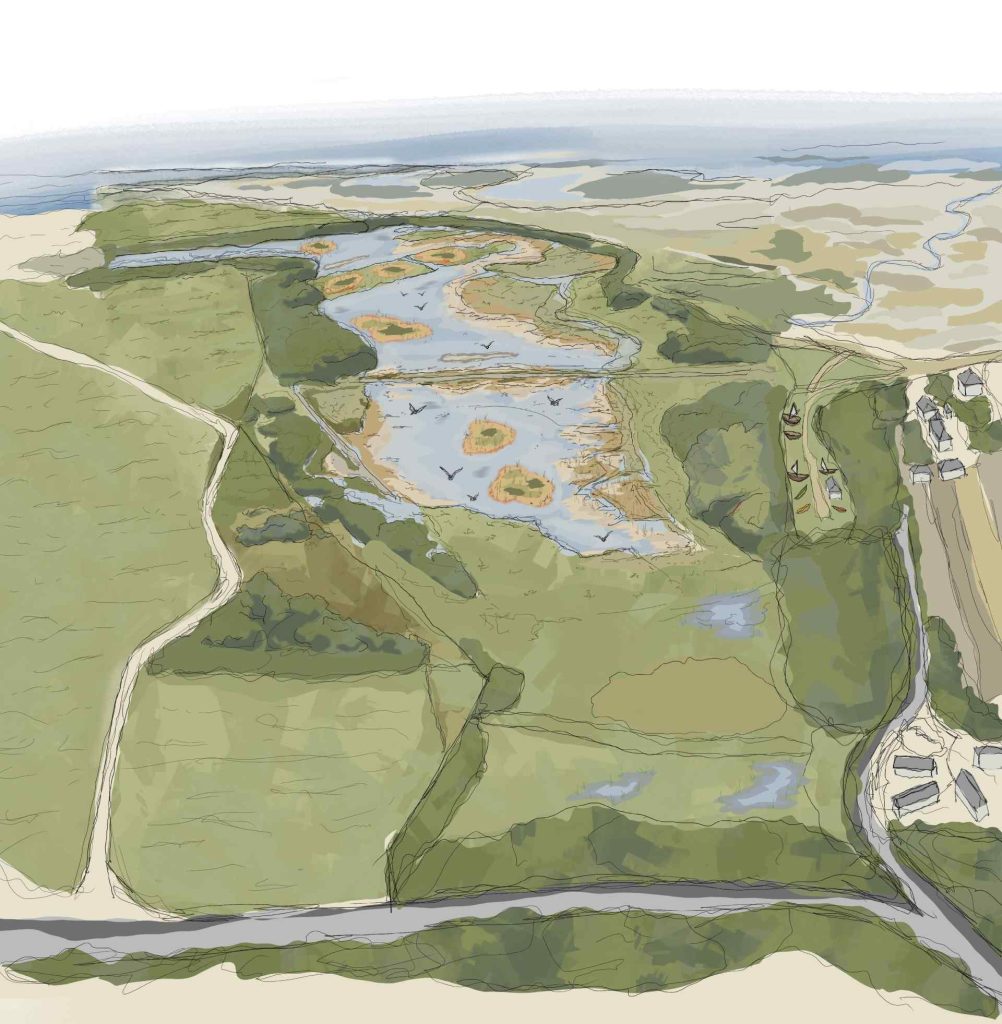
This will involve creating new channels and scrapes, forming new islands within the lagoons, and removing some scrub from existing bars within the lagoons. There will be no work within the channel of the freshwater stream or the outfall sluice, and there will be no change in overall water levels.
Project Updates:
October 2026 – what is happening?
Contractors will be on site from Monday 5 October. They are undertaking work to clear scrub from the center of the marsh. This will increase the size of area available for birds in the short term. The main groundworks and improvement works will take place later in autumn 2027.