This spring, the Solent Seascape Project is building a new native oyster habitat in Chichester Harbour, supported by the Manor of Bosham. The “oyster restoration zone” (sometimes referred to as a reef) will be located in the Chichester Channel.
Why is the new habitat being built?
A threatened species:
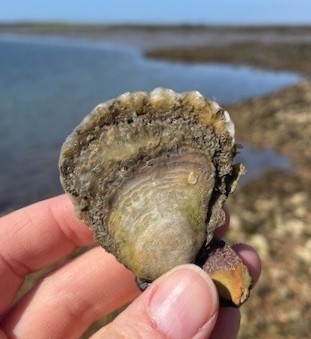
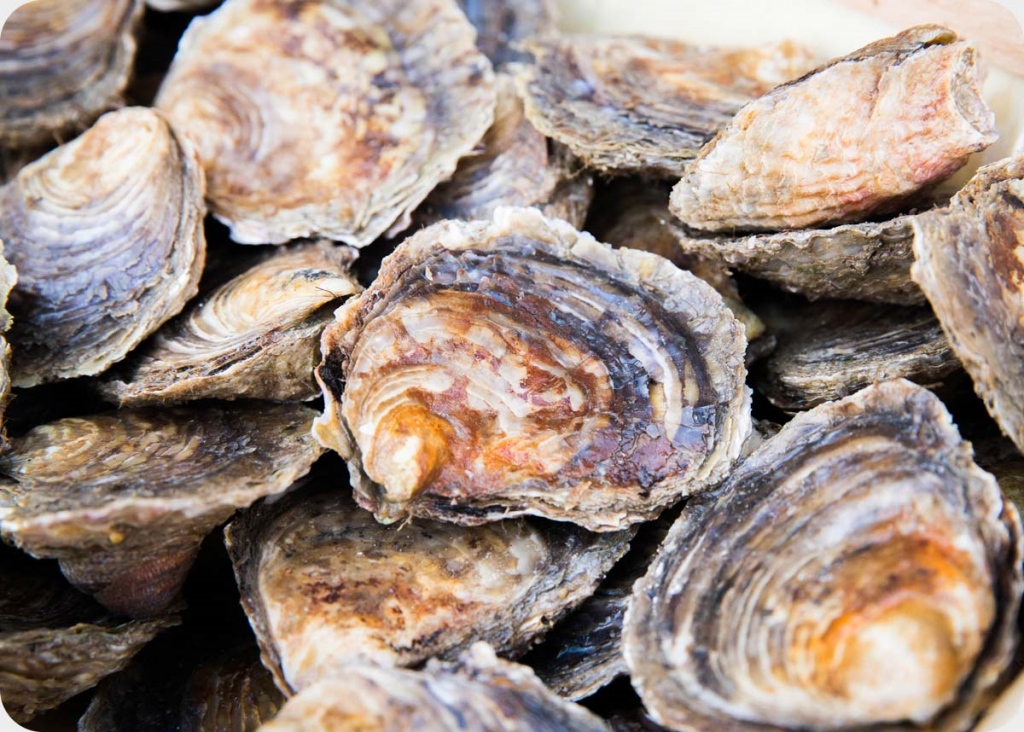
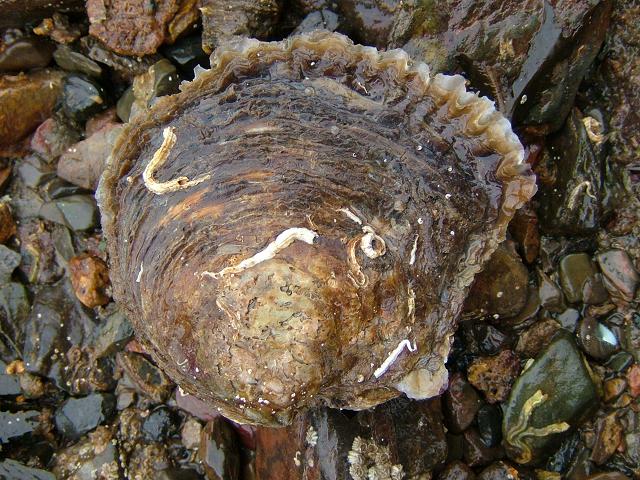
Native oysters were once prolific in Chichester Harbour, supporting a thriving fishing industry and marine life. At the peak of the industry during the 19th century more than 3 million oysters a year were landed into Emsworth. But due to factors including overfishing, invasive species, disease and water quality, they have declined by 96% in Chichester Harbour.
Oyster power:
Native oysters are a key part of a productive coastal/marine ecosystem, with benefits including:
- Improving water quality – a single adult native oyster can filter up to 200 litres of water every day!
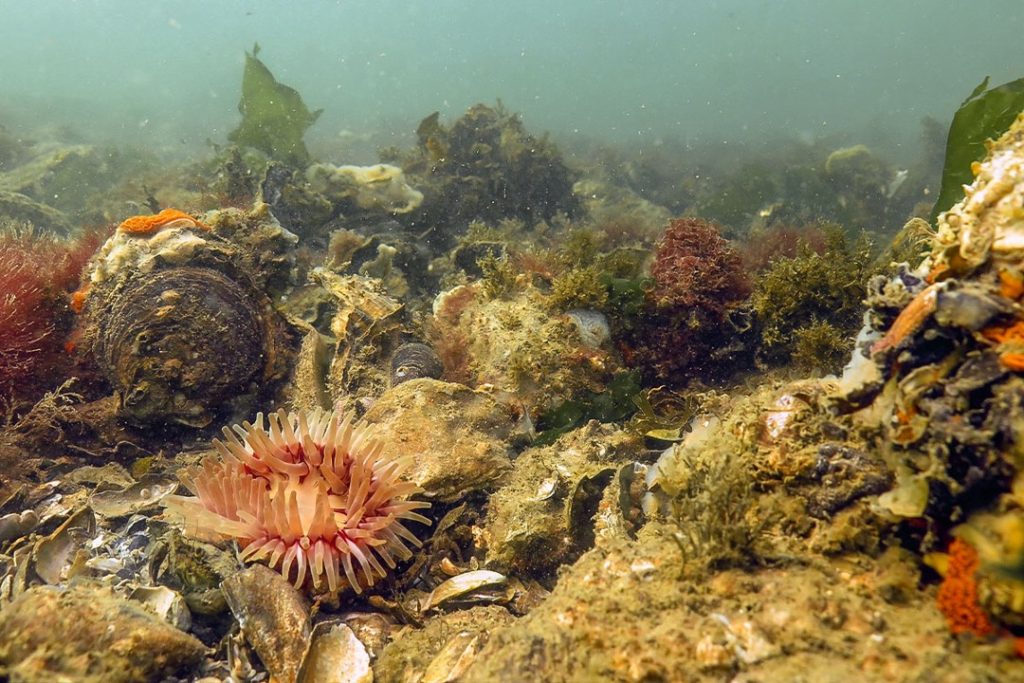
- Habitats for other marine life. A native oyster reef supports a plethora of other marine species, from small fish and seahorses to marine plants, anemones, seaweeds and crustaceans.
- They remove nitrogen from the water and sequester carbon.
- A native oyster reef provides connectivity between harbour habitats as well as supporting local economies.
How will the new habitat be created?
- The new habitat will be created by laying a thin layer of gravel substrate and a shell , or “cultch” on the seabed. Once laid, the substrate/cultch will be left for a short time to settle naturally with tidal movements.
- Several thousand oysters will then be brought in, and after biosecurity (oyster scrubbing) laid in the oyster restoration zone from a smaller vessel.
- The newly laid habitat forms an environment that will allow oyster larvae to settle and colonise it, providing the next generation of native oysters to the area.
- The project is intended to take place in three phases, with each phase coving 1 – 1.3ha.
What will it look like?
The Solent Seascape Project has already built a native oyster reef on the River Hamble, started in 2023. Last year the Royal Navy got involved monitoring the reef with UUVs; the imagery showed that even in the first two years, the project had been a great success making a huge difference to life on the seabed in the restoration zone. Watch the project film and see the images from the seabed.
What about harbour users?
The oyster habitat will be very shallow – averaging 20cm, and no more than 50cm from the seabed, so it will not present a hazard to navigation.
No Anchor Zone
To protect the oysters and the seabed and to promote the healthy development of the habitat, the area will be designated a No Anchor Zone. There has been extensive liaison with local sailing clubs who use the area for racing.
Marker Buoys
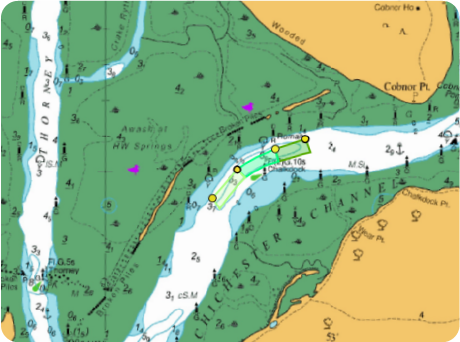
Four new marker buoys will mark the northern edge of this zone (as depicted on the chart below). At present, there are temporary buoys in place – these are orange and cylindrical. Permanent buoys will replace these in June – these will be yellow and topped by lights.
Get involved – volunteers needed!
Before the oysters can be laid, they will need to undergo rigorous biosecurity – oyster scrubbing! This is to make sure they don’t bring in invasive diseases or pathogens from elsewhere. The Solent Seascape Project will be running oyster biosecurity events at the University of Portsmouth’s Institute of Marine Sciences in mid May. Sign up to our newsletter and keep an eye on our social media to sign up for these events.
Related articles:
The Solent Seascape Project is funded by East Head Impact and the Endangered Landscapes and Seascapes Programme (managed by the Cambridge Conservation Initiative in partnership with Arcadia.)