Water Quality
Good water quality is essential for the overall health of Chichester Harbour. Although the waters of Chichester Harbour are not designated as bathing water, as the busiest recreational harbour in Europe the waters are frequently used by sailors, paddlesports enthusiasts, swimmers and more.

Harbour waters are heavily impacted by human activity. As well as regularly testing the water quality within the harbour, Chichester Harbour Conservancy is working to understand the pressures and to strive for improvements.
Sewage and Water Quality Testing
The release of untreated sewage is the most-publicised of the pollution sources impacting Chichester Harbour. During heavy rainfall the wastewater treatment works can become overwhelmed and untreated sewage is released into the harbour via Combined Storm Overflows (CSOs).
Chichester Harbour Conservancy, in conjunction with Chichester District Council monitor the quality of the water within the Chichester Harbour. Samples from 12 locations in the harbour are collected and tested twice a month during the summer months and monthly throughout the winter.
The test results can be viewed as an indicator of potential pollution levels at the time of testing. Historical results are available on the Chichester District Council website. The websites for Rivers and Seas Watch and Surfers Against Sewage provide live advice on storm overflows.
Sewage or Algal Bloom?
Suspected sewage pollution in coastal waters, are sometimes the breakdown of algal blooms which can easily be mistaken algae for sewage. The image on the right shows an example of algal bloom.
A useful guide to telling the difference between an algal bloom and sewage is available on the Environment Agency’s website.

Opportunistic Macroalgae Weed
The green swathes of macroalgae weed that smother the mudflats in the summer are a visual representation of the excess nutrients within the harbour. Macroalgae weed reduces light in the water, and smothers our coastal habitats. Excessive nutrients derive from nitrates, which is found in fertilizers.
Food production is of vital importance, and farmers often use nitrates as fertilisers as well as approved pesticides and herbicides to grow crops. But not all the fertiliser applied to the land is taken up by plants. When it rains the excess fertiliser leaches into the ground or is washed into the waterways. The catchment for Chichester Harbour is huge, stretching up to the South Downs. The chalk of the South Downs acts as an aquifer, storing water but also pollutants from agriculture for decades that gradually filter into the harbour.
Around the Chichester Harbour many farmers work with our Farming in Protected Landscapes team to reduce their use of fertilisers and farm with a view to improving water quality. Measures include intelligent GPS tools to help minimise the use of fertilisers as well as improving natural barriers before waterways.
A genuine reduction in opportunistic macroalgae weed require long term cooperation from many land managers, and patience, as it will take many years for the existing nitrates in the groundwater to pass through the system before there is a permanent and positive change.
Plastics and Forever Chemicals
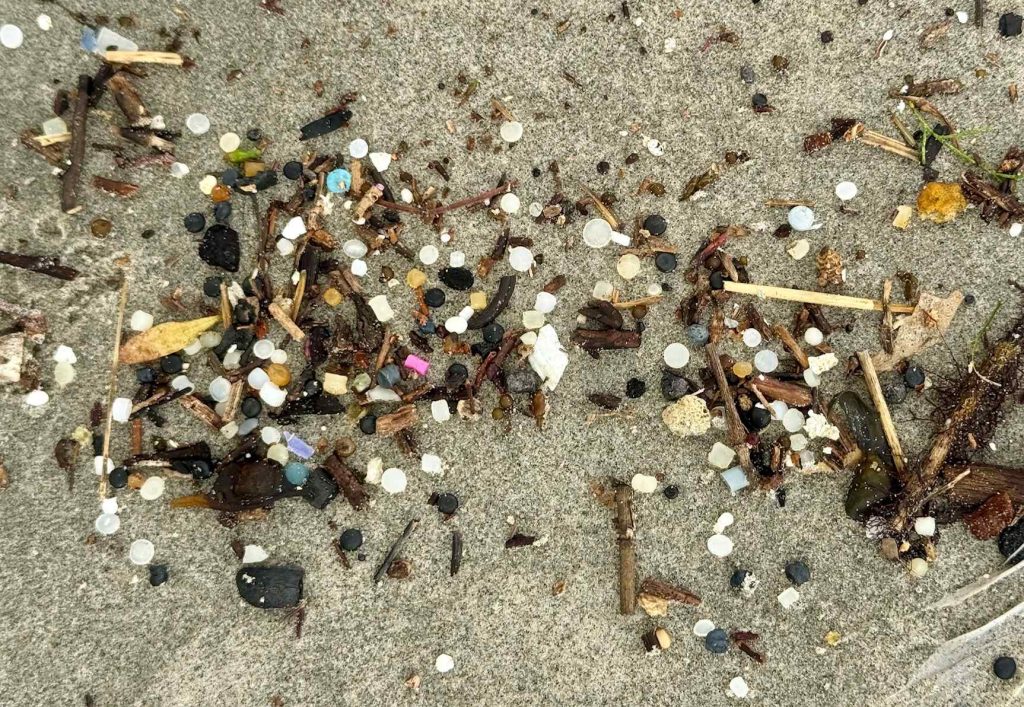
Microplastics from laundering man-made fibres like polyester and nylon also enter the water through our waste water and do not decompose.
A single tyre from an average car sheds 4kg of plastic particles during the lifetime of the tyre.
Meanwhile chemicals and pharmaceuticals including household cleaning products, prescription and illegal drugs, have been traced in the water.
How You Can Help
- Help slow the flow from our property – use a water butt, choose planting which slows rain run-off, choose permeable surfaces in gardens and driveways.
- Consider the chemicals used in daily life that will end up in the water, from cleaning products to pet flea treatments, suncreams and the chemicals in waterproof clothing and non-stick frying pans.
- Make other small changes in daily life, for example using catchers or filters to collect microplastics from laundry.
- If out sailing or boating, do not dispose of black water (sewage) or grey water (washing up) overboard.
- Use environmentally-friendly antifoul on your vessel, or if that isn’t possible, make sure your scrub down is contained so pollutants cannot enter the harbour.
- Do not drop litter.