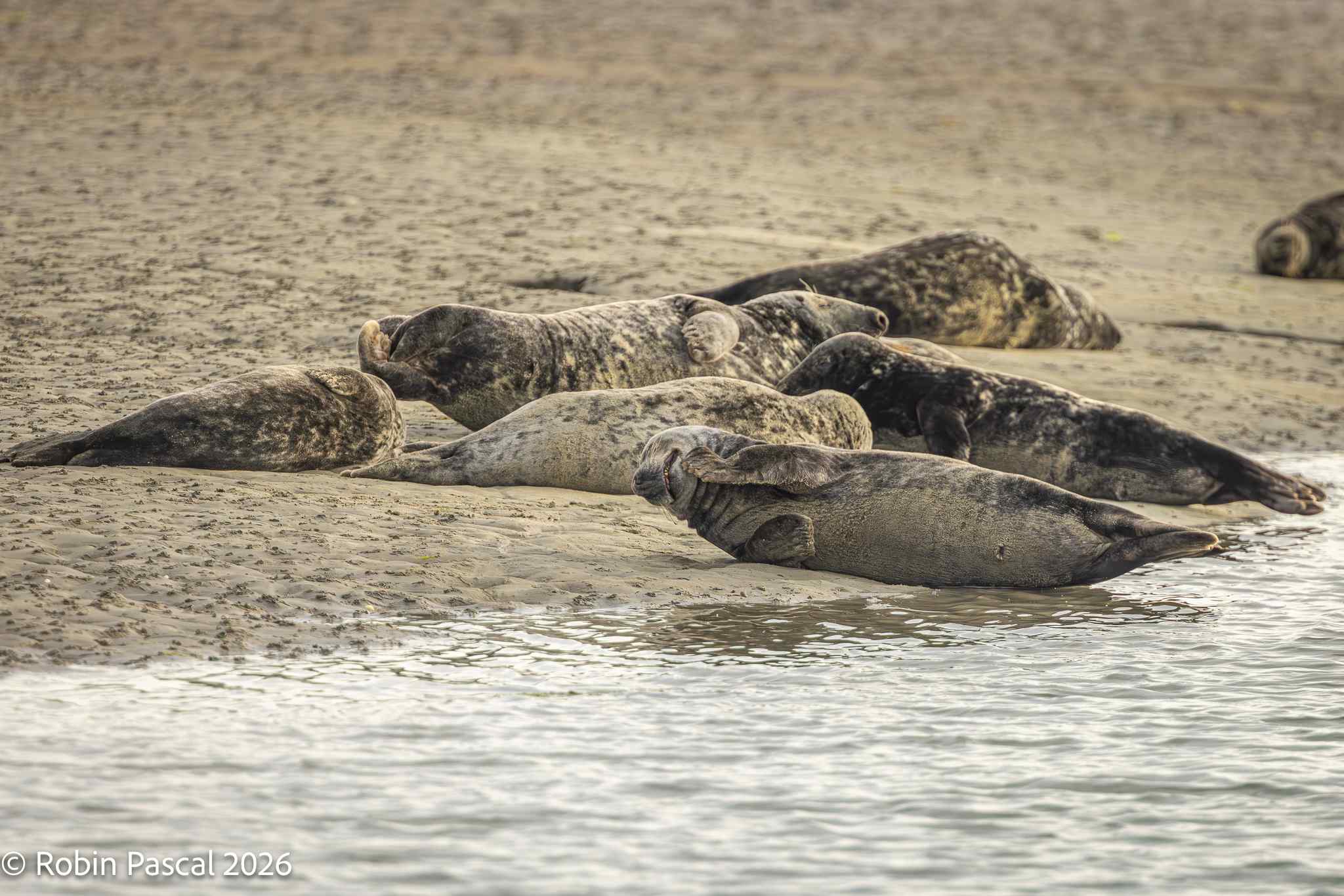
Chichester Harbour is home to the largest population of seals in the Solent. In fact, we have two species – Harbour Seals and Grey Seals. They come to rest on the mudflats at low tide; this time is essential to their health. They can’t digest food whilst in the water, and the “haul out” is when seals get their sleep, socialise, give birth and feed their pups.
Although catching a glimpse of a sleeping seal is a rare treat for any nature-lover, it is vital that we avoid disturbing them. Think how you feel when sleep-deprived, even essential tasks like getting a meal together can be hard. Unlike us humans, a seal can’t pop to a shop, or order a takeaway. To hunt those fast-moving fish, seals need to bring their A-game.
Disturbance
Seeing the seals can be an incredible experience, and many operators including Chichester Harbour Conservancy run boat trips to the haul-out sites. But keeping a distance is so important for the health and wellbeing of these incredible animals.
Unfortunately, some visitors to the colony, by boat, kayak or paddleboard, have not understood the need to allow our seals to rest undisturbed. When we get too close, the seals’ fight or flight reflexes are triggered and the only place they feel safe is in the water.
It’s not play-time!
When a seal is disturbed and enters the water, it might feel like they’re playing with you, but they’re not. They feel threatened – being in the water is a safer space for them. Sadly, the impact of repeat disturbances can accumulate – the seal won’t be getting enough rest, will not be able to feed its pubs, and may not be fit enough to survive a strenuous life at sea.
How to see the seals without disturbing them
The best way to see the seals is on an organised boat trip. Hayling Boat Trips run out of Northney, Chichester Harbour Water Tours and Chichester Harbour Conservancy’s Solar Heritage run out of Itchenor. The skippers are adept at avoiding disturbance and are expert guides so you can learn more about the seals.
If you encounter a hauled-out seal when on the water:
- Keep your distance – at least 100m.
- If the seal raises it’s head to look at you, back off – it’s already feeling a little stressed.
- If it starts moving then stress levels have risen and it’s already wasting precious energy – move away slowly and quietly.
- If it’s heading for the water, the seal is panicked – move away immediately.
It is a special privilege to share the harbour with our seals, and together we can ensure they thrive here!