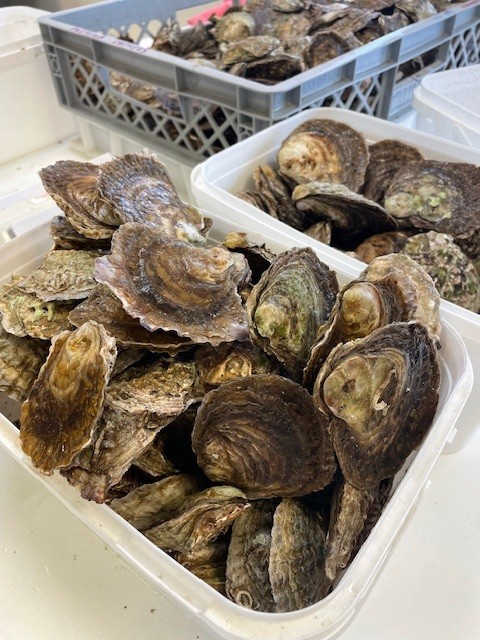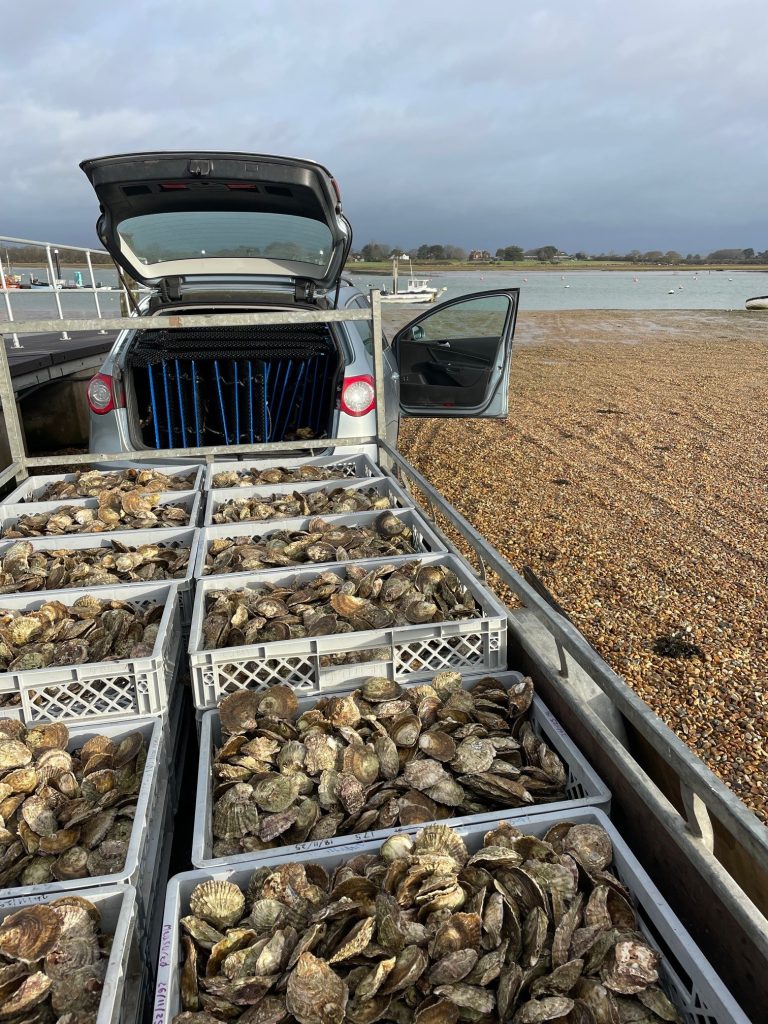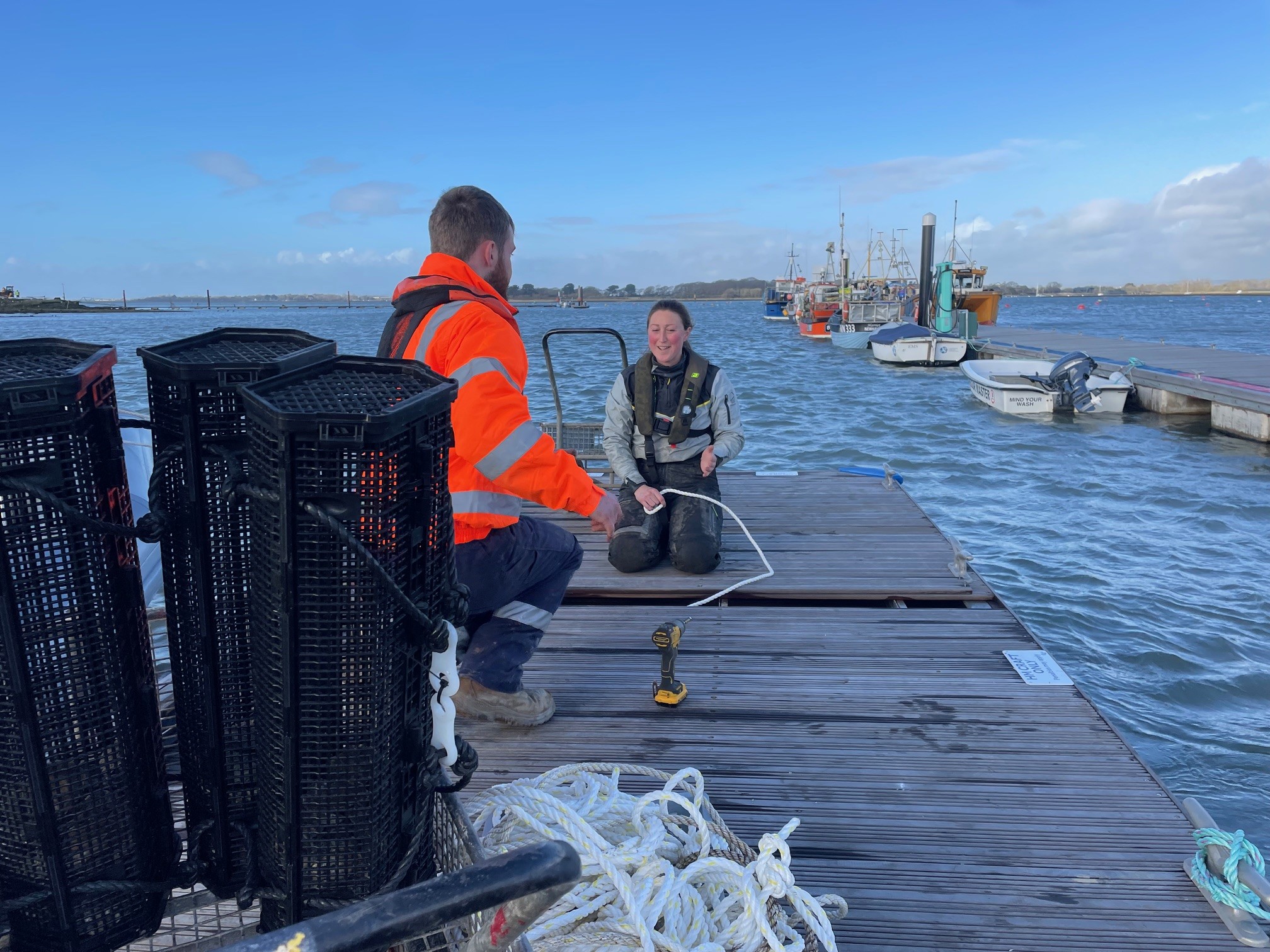
On Friday, 5000 native oysters were returned to the waters of Chichester Harbour, marking a significant step in restoring this endangered marine creature. Secured in cages under the Chichester Harbour Conservancy public jetty at Itchenor by the Harbour Oysters team, the project was joint funded by Chichester Harbour Conservancy and local charity Chichester Harbour Friends.
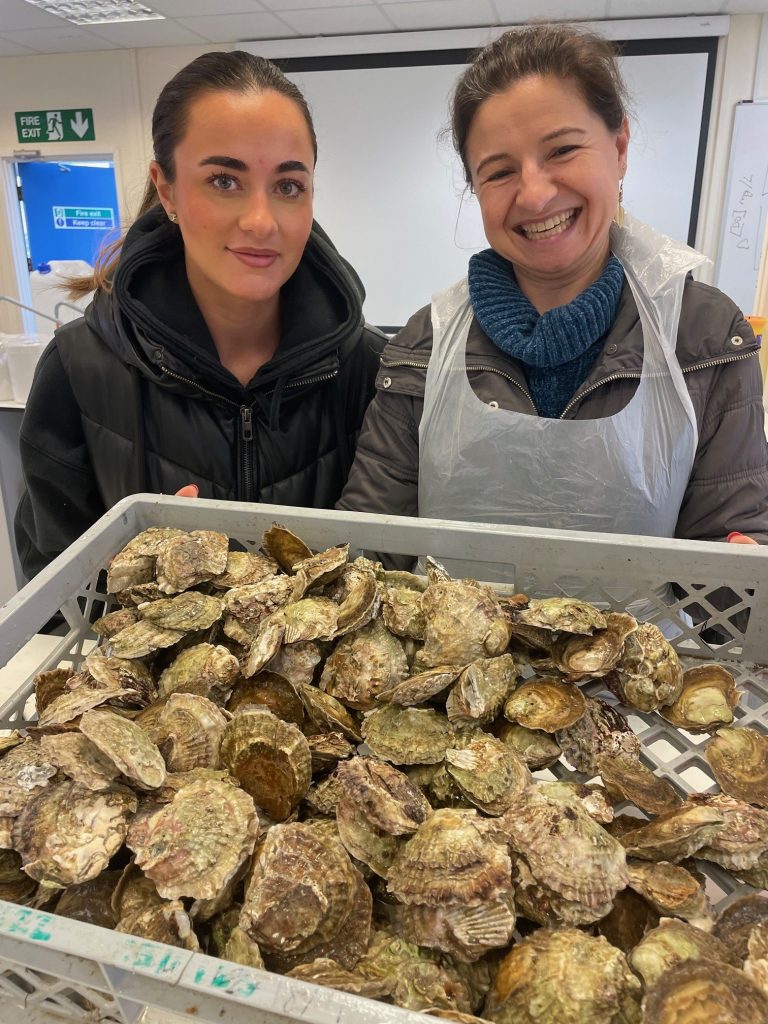
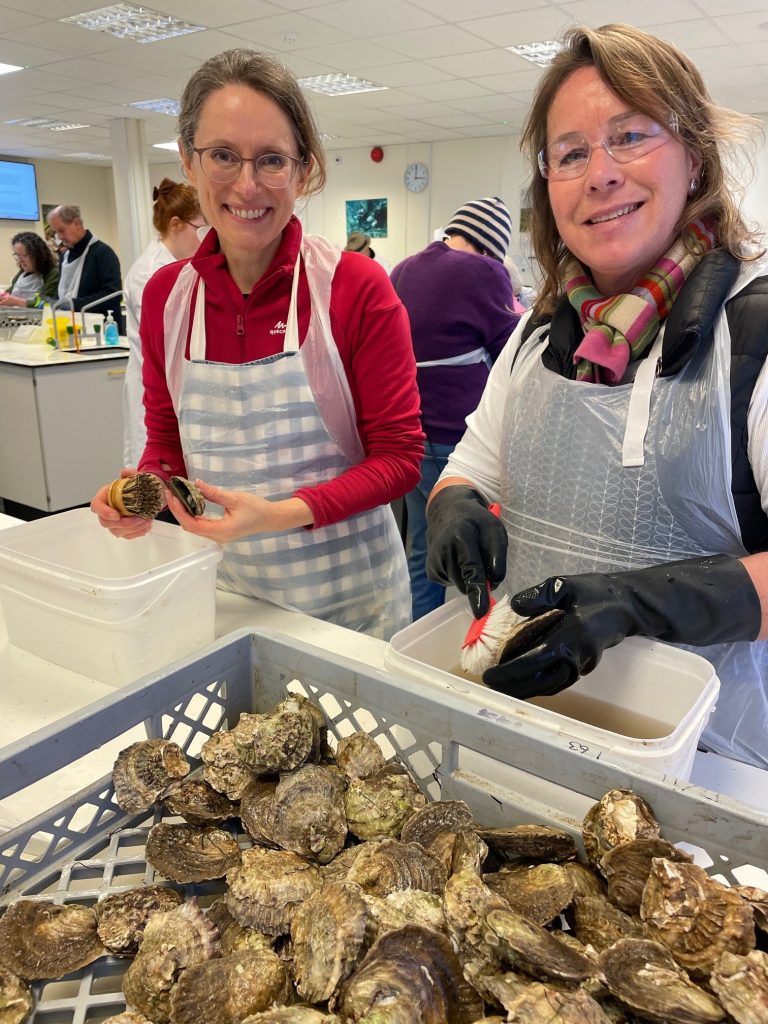
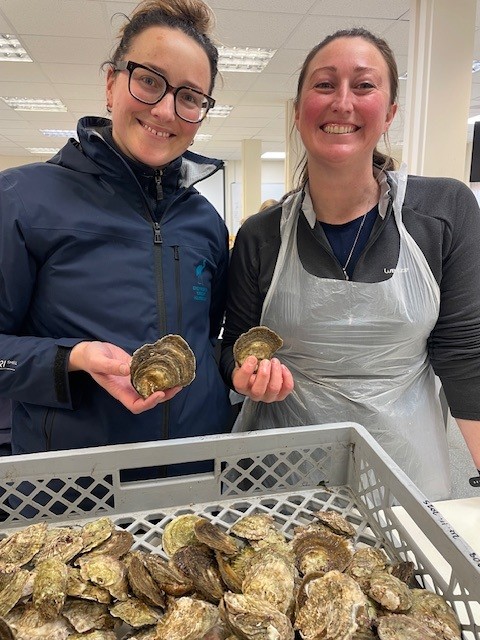
After delivery from an oyster nursery site on the Pembrokeshire coast, the oysters underwent a rigorous biosecurity process at Portsmouth University’s Institute of Marine Sciences where 60 volunteers donated their time to scrub the oysters, ensuring that no invasive species or pollutants are released with them into the harbour waters, protecting the harbour’s existing marine life.
There was a real buzz on “oyster scrubbing day” with volunteers coming together as a community, excited to play a hands-on role in local nature recovery. It certainly couldn’t have been done without them, 5,000 oysters take a lot of scrubbing.
Why Native Oysters?
For hundreds of years native oysters were abundant in Chichester Harbour. But native oyster populations across Europe have plummeted by 95% due to factors including over-fishing, habitat loss, predation, pollution, and invasive non-native species. Native oysters bring significant environmental benefits including for water quality – one oyster alone can filter up to 200 litres of water per day. They also remove nitrogen, sequester carbon and provide habitats for other marine life.
Community-based nature restoration
Harbour Oysters is the brainchild of local sisters Lottie and Poppy Johns, inspired to harness the power of nature to help clean up our harbour waters.
Following significant research and trials; last year they installed 4000 oysters in Emsworth Yacht Harbour.
Over the next few months, another ten thousand oysters will be installed at two further sites within Chichester Harbour along with further trial sites to inform future restoration work.
The funding and volunteer power from local charity, Chichester Harbour Friends has been essential to the success of the project. Heather Baker, chair of Chichester Harbour Friends said:
“We are thrilled to see this project take root. As a key funder, Chichester Harbour Friends is committed to supporting projects like Harbour Oysters that have a direct, positive impact on local ecosystems. This collaboration with Harbour Oysters and Chichester Harbour Conservancy is vital to ensuring the sustainability and success of the project for years to come.”
Oysters in the “wild”
As Harbour Oysters continues to roll out native oysters in cages within Chichester Harbour and beyond, there will be thousands of oysters under marine infrastructure like jetties and pontoons. But in the wild, oysters live on the seabed, forming shallow reefs. This spring the Solent Seascape Project will undertake a large scale “wild” restoration of native oysters in Chichester Harbour, creating natural habitat on the seabed. A new native oyster reef has already been created on the River Hamble, with underwater film footage last year showing enormous initial success.
The native oysters in cages will play a vital role in promoting the success of any “wild” oyster habitat restoration work. They will release spat (larvae) into the harbour waters, all of which has the potential to settle and grow into an adult oyster!
Oysters under your feet…
So, next time you walk down Itchenor Jetty, perhaps to catch the ferry to Bosham, or to take a boat trip around the harbour, give a thought to the thousands of oysters in cages beneath your feet. Think of the millions of litres of water they’ll be filtering every week to clean our harbour waters, and the impact they are having on restoring our marine ecosystems.
Looking Ahead: A long-term commitment
The success of the project in Chichester Harbour is just the beginning; Harbour Oysters has plans to expand across other locations in Sussex and Hampshire, embedding community-based oyster restoration as a cornerstone of marine conservation efforts across the region.
Lottie Johns, founder of Harbour Oysters said:
“We’re excited to install thousands more native oysters into Chichester Harbour and beyond. The science is clear, native oysters are a keystone species of a thriving marine ecosystem, vital to the health and connectivity of our harbour habitats. It has been a joy to work with and inspire so many from the local community in raising awareness of the special role oysters have, and I look forward to further phases of the project.”
Partnership working is key to nature recovery success and the ongoing collaboration between Harbour Oysters, Chichester Harbour Conservancy and Chichester Harbour Friends demonstrates a commitment to creating a resilient, thriving marine ecosystem for generations to come.
Find out more and get involved:
Keep an eye out on our socials to sign up to our next oyster scrubbing events in February.